Have you ever received a blue heart emoji 💙 and wondered what the sender really meant? The Blue Heart Emoji Meaning can be surprisingly interesting because this simple symbol often communicates more than words.
Depending on the conversation, a blue heart may express trust, loyalty, friendship, peace, emotional support, or even a special connection.
Unlike the traditional red heart, the blue heart carries a calmer and more thoughtful feeling, making it popular in texts, social media posts, and everyday chats.
Exact Meaning of the Blue Heart Emoji
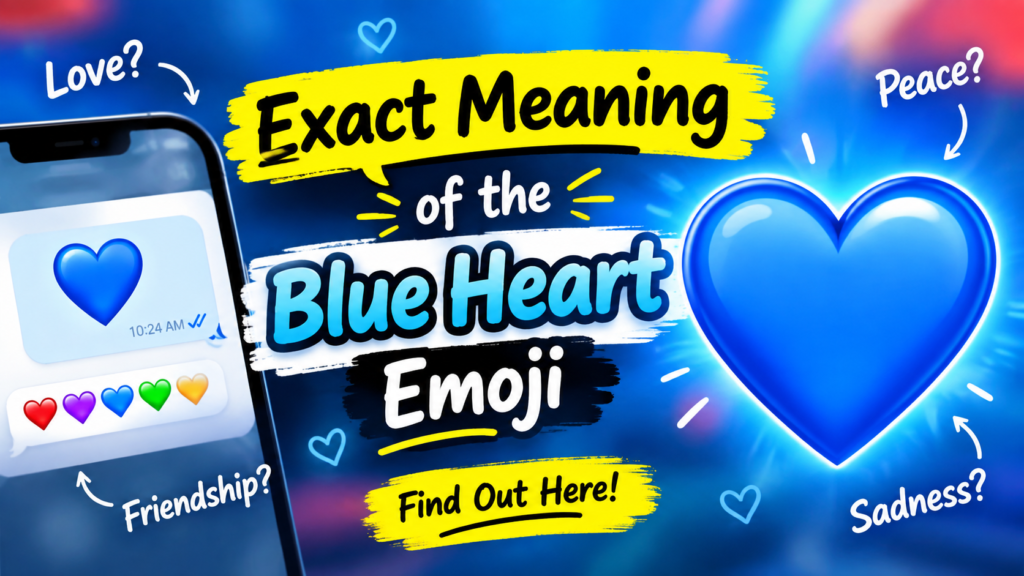
The blue heart belongs to the family of colored hearts. Blue is widely linked to stability, calm, trust, and loyalty — think of the old phrase “true blue.” That symbolism carries over into the emoji.
Core meanings people most often intend:
- Trust and loyalty
- Platonic affection and friendship
- Emotional support and reliability
- Calm, steady care
- Peace or a sense of safety
It is less flashy than red or pink and less mysterious than purple. Many people choose it precisely because it feels sincere without pressure. It also appears in support of sports teams, awareness causes, or anything connected to the color blue.
Blue Heart Emoji Meaning in Text Messages
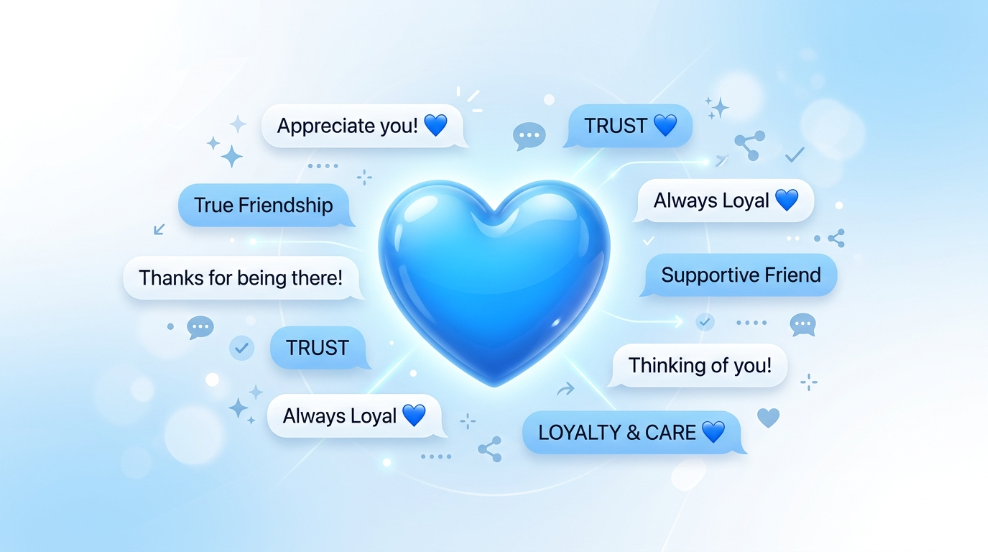
In texts the 💙 works as a warm but low-pressure way to show care. It softens a message and tells the other person they can count on you.
Typical text uses:
- Ending a supportive conversation
- Showing appreciation for a friend
- Reacting to someone sharing something personal
- Confirming loyalty or “I’ve got your back”
Examples:
- “I’m always here if you need to talk 💙”
- “Thanks for being such a solid friend 💙”
- “Proud of you. Keep going 💙”
When someone replies with only the emoji, they are usually saying “I care and I trust this connection” in a simple, steady way. The rest of the chat and how often they use it with you fill in the full picture.
Different Meanings Depending on Context
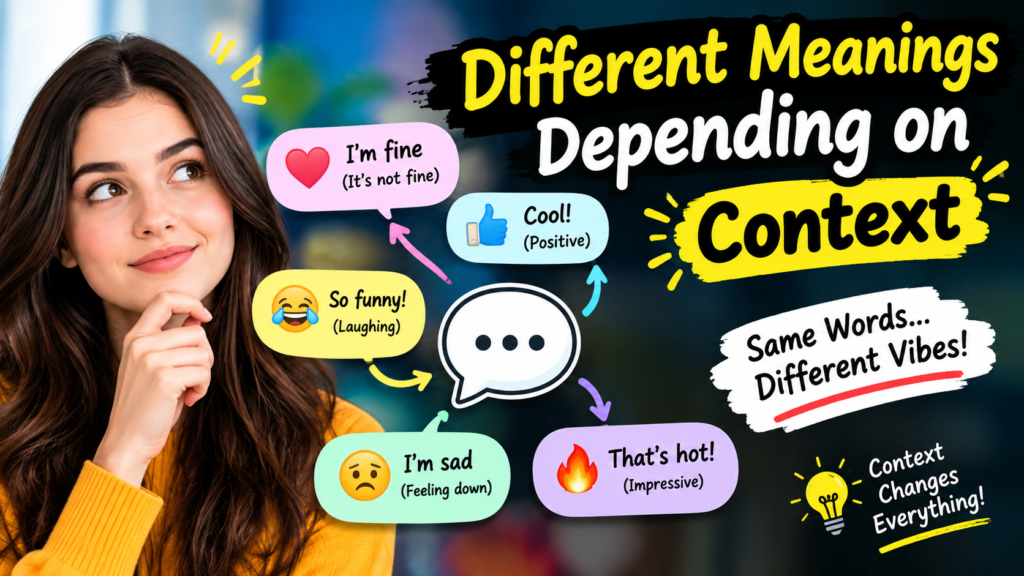
Context changes the reading more than the color itself.
- Close friendship — loyalty, reliability, and “you’re one of my people”
- Emotional support — comfort during hard times or after a tough share
- Early or careful interest — affection that stays safe and non-intense
- Established relationship — calm, secure devotion rather than passionate heat
- Group or public use — polite support, team loyalty, or awareness
- Sports or brand — simply the team or company color
A single 💙 after a vulnerable conversation usually signals trust. The same emoji under a casual photo from a long-time friend stays platonic. Always look at the full thread, timing, and your history together.
Blue Heart Emoji Meaning From a Girl
When a girl sends 💙 she is most often offering steady care or friendship. It rarely carries the heavy romantic charge of a red heart, which makes it feel safe.
Common readings from a girl:
- Trust and emotional safety
- Genuine friendship and loyalty
- Support during difficult moments
- Appreciation without romantic pressure
- Sometimes a gentle way to keep things in the friend zone
In close friendships it stays comfortably platonic. In chats with a guy she is getting to know, it can signal she feels comfortable and trusts him, but not necessarily that she wants romance. If she sends blue hearts mainly to you and pairs them with deeper conversation, the connection feels meaningful even if it stays non-romantic. Frequency and the rest of her messages matter more than the emoji alone.
Blue Heart Emoji Meaning From a Guy
Guys often use the blue heart for the same core reasons: loyalty, respect, and steady care.
Typical readings from a guy:
- Friendship and “I’ve got your back”
- Trust and reliability
- Genuine appreciation
- Emotional support
- Calm affection that may or may not lean romantic
Some guys choose 💙 because it feels less intense than red and therefore safer. Others simply like the color or use it as their default supportive emoji. If a guy who is not a close friend starts sending it regularly alongside flirty or personal messages, interest becomes more possible. From an established male friend it almost always stays in the loyal, supportive category.
Blue Heart Emoji Meaning From a Crush or Romantic Partner
From a crush the blue heart usually leans toward emotional safety rather than strong attraction. It can mean “I feel comfortable with you” or “I trust this connection.” It is rarely the strongest romantic signal on its own. Many people treat consistent blue hearts from a crush as a sign of solid friendship energy that may or may not grow into more.
From a romantic partner it often becomes a quieter expression of secure love. Some couples prefer blue because it feels calm and reliable rather than passionate. It can appear during supportive moments, after hard days, or as a steady “I’m here” rather than a high-heat declaration.
If your crush or partner pairs 💙 with deeper talks, consistent effort, and other warm signals, it still carries real weight — just a steadier kind of weight.
Friendly vs Romantic Meaning
Friendly use
Very common between close friends, family, or people who want to show care without romantic implications. Feels like loyalty, comfort, and reliability. Appears after tough days, shared wins, or long conversations. Carries little romantic pressure.
Romantic use
Less common as a primary romantic signal, especially early on. More likely in established relationships where the couple values calm security. Can appear when someone wants to express affection while keeping the tone gentle.
The blue heart is one of the safest hearts for friendship. A long-time friend can send it for years with zero romance. A new connection using it early, especially alone in DMs, often stays in the “I like and trust you as a person” zone. Watch the overall pattern rather than any single emoji.
Blue Heart Emoji Meaning on Social Media
On Instagram, TikTok, X, Snapchat, and other platforms the 💙 appears in comments, captions, stories, and bios. Common social uses:
- Supportive comments under friends’ posts
- Team or sports loyalty (many blue-colored teams)
- Awareness campaigns and causes
- Brand-safe affection or appreciation
- Calm reactions to meaningful or peaceful content
It travels well because it feels warm without demanding a strong emotional reaction. Brands and creators often prefer it when they want positive engagement that stays professional or community-focused.
Common Situations Where the Emoji Appears
- Offering support after someone shares something difficult
- Confirming loyalty or “I’ve got your back”
- Ending a meaningful but non-romantic conversation
- Showing appreciation for a friend or family member
- Reacting to team wins or awareness posts
- Keeping early conversations friendly and low-pressure
- Expressing calm care in an established relationship
It shows up most often in one-on-one supportive chats and public encouragement rather than high-energy flirting.
Realistic Text-Message Examples
Friendly / supportive
You: “Today was a lot”
Them: “I’m here. You’ve got this 💙”
Close friendship
“Thanks for always showing up. Real ones 💙”
Crush / careful interest
You share something personal.
Them: “Glad you told me 💙”
or simply “💙”
Partner
“Thinking of you. Proud of how you’re handling everything 💙”
Group or casual
“Congrats on the new job! 💙”
Appreciation
“You really helped me out. Means a lot 💙”
How to Respond to the Blue Heart Emoji
Match the steady, warm energy.
- Simple and sincere: “Thanks 💙” or “Appreciate you”
- Mirror it: Send 💙 back
- Build a little: “That means a lot” or “Right back at you”
- Supportive reply: “I’m here for you too”
- If the vibe feels personal: “Glad we can talk like this”
One blue heart is usually just care and trust. Repeated personal use invites a similarly steady, warm response.
Similar Emojis and Clear Differences
| Emoji | Main Feeling | How it differs from 💙 |
| ❤️ | Strong love / romance | More intense and traditionally romantic |
| 💜 | Special or thoughtful affection | More unique and sometimes softer-flirty |
| 💛 | Warm friendship / positivity | More sunny and casual |
| 💗 | Playful or growing affection | Lighter and more energetic |
| 🖤 | Aesthetic or dark humor | Completely different tone |
| 💚 | Growth or casual care | Often lower intensity or fandom-coded |
The blue heart sits in a calm, trustworthy middle space — warmer than pure neutrality, safer than red, and more steady than most other colors.
Common Misunderstandings
- Assuming every 💙 is a firm friend-zone signal. Many are simply loyal support.
- Treating it as completely non-romantic. In established relationships it can mean secure love.
- Over-reading a single public comment or group-chat reaction.
- Ignoring exclusivity. Hearts sent to everyone mean less than hearts reserved for you.
- Missing the trust element. For many people the blue heart is specifically about feeling safe with someone.
Different people and friend groups assign slightly different weight to colored hearts. Patterns over time beat any single emoji.
Frequently Asked Questions
Blue heart emoji meaning from a girl
Usually trust, friendship, or steady support. It can feel like emotional safety. Romantic readings are less common unless the rest of the conversation supports them.
Blue heart emoji meaning from a guy
Often loyalty, respect, and reliable care. It frequently stays in the friendship zone, though it can signal calm affection in closer connections.
Is 💙 more friendly or romantic?
Strongly leans friendly and supportive. Romantic use is possible, especially in established relationships, but it is not the strongest early romantic signal.
Does the blue heart mean someone is friend-zoning you?
It can, especially if other romantic signals are missing. But many people simply prefer blue for genuine platonic care. Look at the full pattern.
How is 💙 different from ❤️ in texting?
❤️ feels stronger and more traditionally romantic. 💙 feels calmer, more loyal, and safer for friendship or steady support.
Closing Thoughts
The blue heart emoji thrives because it balances real care with emotional safety. It lets people show loyalty, trust, and steady affection without forcing a big romantic declaration. The next time 💙 appears in your messages, look at the full conversation, how often it shows up, and who is sending it.
That combination almost always reveals whether the meaning is solid friendship, quiet support, or calm devotion. Use it yourself when you want to send genuine, reliable care. Keep the tone natural and the emoji rarely confuses anyone.