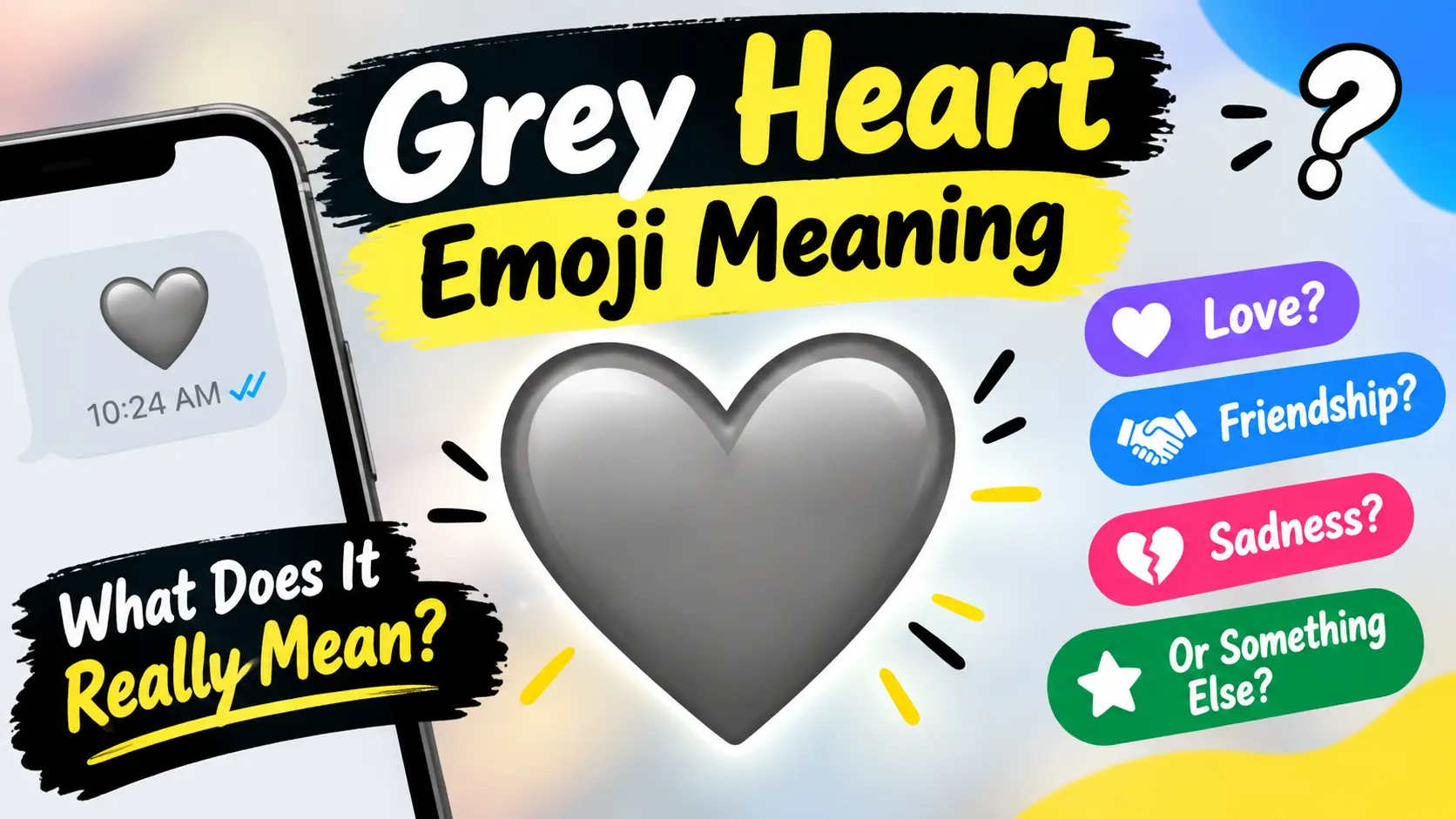
Have you ever received a 🩶 grey heart emoji in a text and wondered what the sender really meant? The grey heart emoji may look simple and quiet, but its meaning can change depending on the person, conversation, and situation.
Someone might use it to show calm affection, care, support, sympathy, or a soft emotional connection without making the message feel too romantic.
Friends may send it to show that they are there for each other, while couples can use it to express a gentle and mature kind of love.
What Does the Grey Heart Emoji Mean?
The 🩶 emoji is one of the newer heart colors, added to keep up with people wanting more ways to express different shades of feeling. Grey, as a color, is generally associated with:
- Neutrality and balance
- Calmness and quiet emotion
- Sophistication or minimalism
- Sometimes sadness or emotional distance
So when someone drops a grey heart in a chat, they’re usually communicating something gentle and understated , not the fireworks of a red heart, but not cold either. Think of it as the emoji version of a soft smile rather than a big grin.
It’s become popular partly because it matches minimalist, aesthetic social media trends. A lot of people just like how it looks next to grey or neutral-toned photos, so sometimes the “meaning” really is just visual , no emotional deep dive required.
Grey Heart Emoji Meaning in Text Messages
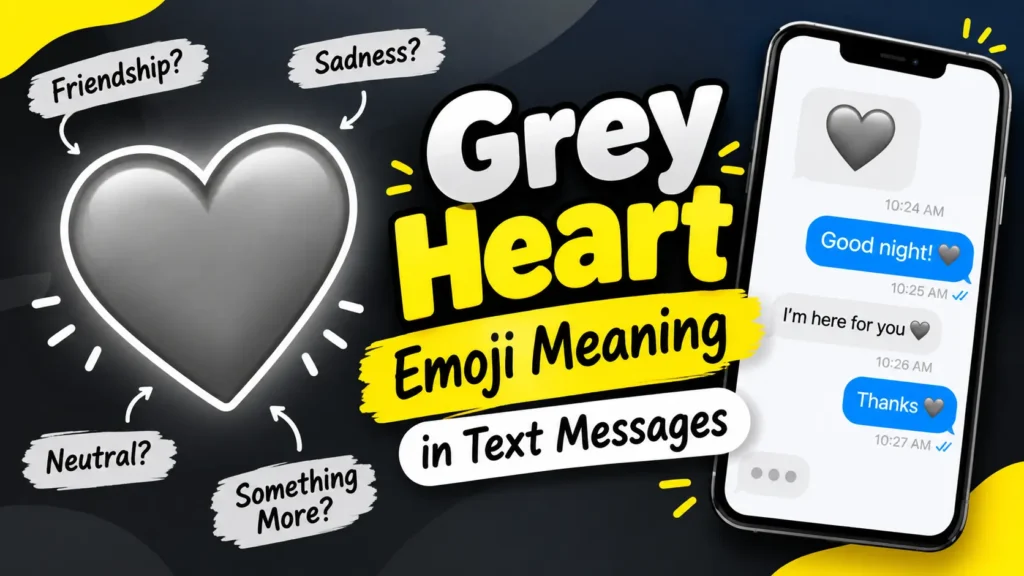
In a text conversation, context does most of the heavy lifting. Here’s how it typically plays out:
- As a reaction to a message: Often means “aw, that’s sweet” or “I appreciate that” without going full romantic.
- Sent randomly, out of nowhere: Usually signals the person is thinking of you in a calm, affectionate way.
- After a heavy or emotional conversation: Can mean quiet support , “I’m here for you” without needing more words.
- In a caption or bio: Often just aesthetic, matching a muted color palette or a calm mood.
Because grey doesn’t scream any single emotion, people also use it when they want to show care but aren’t ready (or don’t want) to commit to something more intense like a red heart.
Does the Meaning Change Depending on Context?
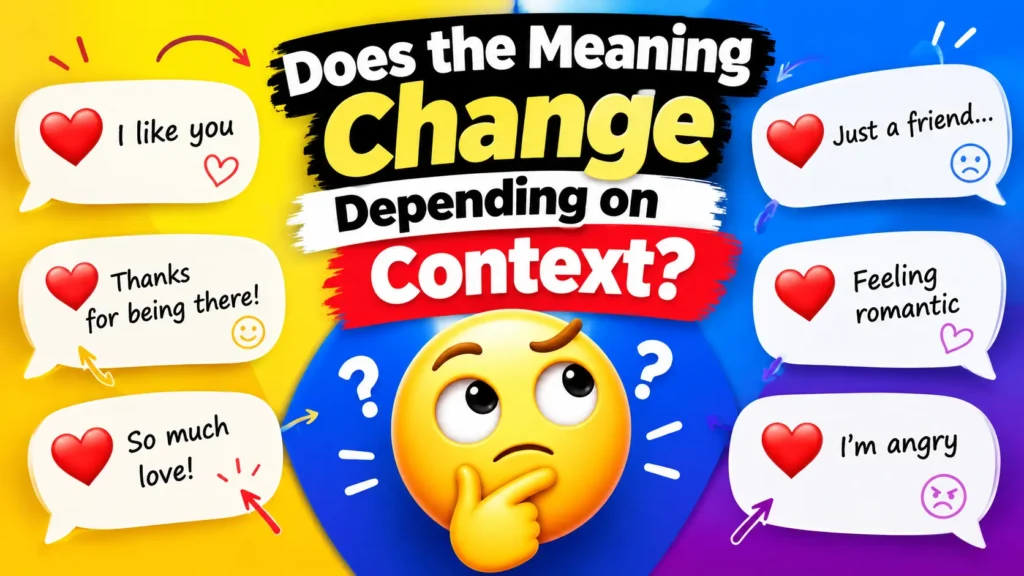
Yes , and this is the most important thing to understand about the grey heart. The same emoji can mean completely different things depending on:
- The relationship between the two people (friends, crush, partner, family)
- The tone of the conversation it’s used in
- How often that person uses emojis in general
- The platform it’s sent on (text vs. Instagram vs. Snapchat)
A grey heart from your best friend after you vent about a bad day means something very different from a grey heart your crush sends after a late-night conversation. Never read it in isolation , always look at what came before it.
Grey Heart Emoji Meaning From a Girl
When a girl sends a grey heart, it often leans toward genuine, low-pressure affection. Some common interpretations:
- She’s being sincere but keeping things chill, not overly dramatic
- She feels emotionally connected to you but isn’t trying to make it a big declaration
- She might be testing the waters romantically without going all in
- She simply likes the aesthetic and isn’t attaching deep meaning to it
If she’s someone who rarely uses emojis and suddenly sends a grey heart, that’s usually more meaningful than someone who sprinkles emojis into every message.
Grey Heart Emoji Meaning From a Guy
Guys tend to use hearts a bit more sparingly overall, so a grey heart from a guy often carries a bit more weight , but again, it depends on the person.
- It can be his way of showing softness without feeling “too much”
- It might replace a red heart because red feels too intense or too obvious for where things stand
- It could simply mean “I appreciate you” in a laid-back, non-romantic way
- Some guys use it because it just matches their overall texting style (calm, minimal, not overly expressive)
If a guy who’s usually dry or short in his texts sends a grey heart, it’s often a genuine, quiet gesture , not something to brush off.
Grey Heart Emoji Meaning From a Crush or Romantic Interest
This is where people overanalyze the most, so let’s simplify it.
When a crush sends a grey heart, it typically suggests:
- Interest without full commitment , they like you, but may not be ready to say it outright
- Comfort and closeness , a sign the relationship feels steady and easy
- A soft romantic signal , especially if paired with consistent texting, compliments, or effort to stay in touch
It’s rarely a “friend-zone” signal on its own. If someone wasn’t interested, they usually wouldn’t bother sending a heart at all , even a subtle one.
Grey Heart From a Partner
In an established relationship, the grey heart often represents comfort, stability, and quiet love , the kind that doesn’t need constant reassurance. It can show up during ordinary, cozy moments, not just big romantic ones. Sending it might mean:
- “I feel safe and calm with you”
- “Just thinking of you, nothing dramatic”
- A callback to an inside joke, aesthetic, or shared color theme
Friendly vs. Romantic Meaning: How to Tell the Difference
This is the biggest source of confusion, so here’s a simple breakdown.
| Signal | Leans Friendly | Leans Romantic |
| Frequency of hearts overall | Sends hearts to many friends | Rarely sends hearts, but sent you one |
| Conversation tone | Casual, joking, group-chat energy | One-on-one, personal, late-night talks |
| Timing | After a funny or supportive moment | After a compliment or emotional exchange |
| Follow-up messages | Moves on to a new topic quickly | Keeps the conversation going, asks more questions |
| Consistency | One-off, doesn’t repeat | Shows up again in future chats |
If someone sends grey hearts to everyone in the group chat, it’s almost certainly friendly. If it’s reserved just for you, in private, after a meaningful exchange , that’s leaning romantic.
Grey Heart Emoji Meaning on Social Media
On platforms like Instagram, TikTok, and Snapchat, the grey heart often works a little differently than in one-on-one texts.
On Instagram
- Common in captions with black-and-white or muted-tone photos
- Used as a comment to show quiet support or admiration
- Sometimes used in bios to reflect a calm, “soft life” aesthetic
On Snapchat
- Can pop up as a reaction to a story
- Less commonly tied to Snapchat’s official emoji friendship system, so it’s usually a personal choice rather than a platform-assigned meaning
On TikTok
- Frequently used in comments on emotional, nostalgic, or aesthetic videos
- Signals “this hit me” more than romantic interest
In all these cases, the grey heart on social media tends to lean more toward mood and aesthetic than direct romantic signaling , unless it’s used in a DM or personal comment thread.
Common Situations Where the Grey Heart Is Used
To make this practical, here are real scenarios where you’ll see 🩶 pop up:
- Replying to a sad or vulnerable message, showing quiet support
- Commenting on a nostalgic throwback photo
- Sending it after a comforting phone call or long talk
- Using it in a caption about a calm, “grey sky” kind of day
- Sending it to a crush after a compliment, without saying “I like you” outright
- Using it as a subtle stand-in for a red heart when things feel new or uncertain
Realistic Text Message Examples
Here’s how the grey heart plays out in actual conversations:
Example 1 , Friendly Support
Friend: “Ugh, today was rough.” You: “I’m sorry, that sucks. Here if you need to talk 🩶”
This is comfort, plain and simple , no romantic undertone.
Example 2 , Subtle Crush Energy
Crush: “Honestly talking to you is the best part of my day” You: “🩶”
Short, but it says “that means a lot to me” without overexplaining.
Example 3 , Established Relationship
Partner: “Can’t wait to just relax with you tonight” You: “Same, been looking forward to it all day 🩶”
Here it reflects calm, secure love , not excitement, but steadiness.
Example 4 , Aesthetic/Neutral Use
“New playlist for grey, rainy days 🩶”
No emotional target here , it’s just matching the mood of the post.
How to Respond to a Grey Heart
Not sure how to reply? Match the energy first, then adjust based on what you actually want to say.
- If it feels friendly: Reply with a similar low-key emoji or a simple thank-you message.
- If it feels romantic and you’re interested: Send it back, or follow up with a warmer message to keep the conversation open.
- If you’re unsure: Ask a light follow-up question instead of overanalyzing , “aww, what made you send that? 🩶” works well and keeps things natural.
- If you’re not interested that way: A friendly, appreciative response without escalating the tone is enough. You don’t need to overthink or overexplain.
The safest move is almost always to mirror the emotional weight of what they sent rather than guessing too hard.
Similar Emojis and How They’re Different
Grey heart isn’t the only heart with a specific vibe. Here’s how it compares:
| Emoji | General Meaning |
| 🩶 Grey Heart | Calm, quiet affection; neutral or understated feelings |
| 🖤 Black Heart | Dark humor, mystery, sometimes sadness or edgy aesthetic |
| 🤍 White Heart | Pure, simple, gentle affection; sometimes platonic |
| ❤️ Red Heart | Strong love, passion, deep romantic feelings |
| 🩷 Pink Heart | Sweet, playful affection; soft romantic or cute feelings |
| 💙 Blue Heart | Trust, loyalty, calm support (often platonic) |
| 🤎 Brown Heart | Warmth, groundedness, sometimes tied to identity or comfort |
The key difference: grey is more “neutral and steady,” while colors like red or pink carry stronger emotional intensity, and black leans more toward mood or edge than warmth.
Common Misunderstandings About the Grey Heart
A few mix-ups happen a lot, so let’s clear them up:
- “Grey heart means someone is sad or upset.” Not necessarily. While grey can relate to a mellow mood, it’s not automatically negative , it’s more about calmness than sadness.
- “It always means romantic interest.” Not true. Plenty of people use it for friends, family, or just aesthetic captions.
- “It’s the same as a black heart.” They’re different , black often leans darker, edgier, or humorous, while grey is softer and more neutral.
- “If they don’t send it back, they don’t like you.” Emoji habits vary a lot person to person. Some people just don’t use hearts much regardless of how they feel.
- “It has one universal meaning everyone agrees on.” As covered throughout this article, meaning depends heavily on context, relationship, and individual texting style.
Frequently Asked Questions
1. What does the grey heart emoji mean from a girl? It usually signals genuine but low-key affection , she cares about you without wanting to make it a dramatic declaration. Context (how often she uses emojis, the conversation tone) matters more than the emoji alone.
2. What does the grey heart emoji mean from a guy? It often reflects quiet, sincere care, especially if he doesn’t send hearts often. For many guys, grey feels like a comfortable middle ground between “just friends” and a bold red heart.
3. Does the grey heart mean more than a black heart? Not necessarily “more” , they’re just different. Grey usually reads as calm and neutral, while black often carries a darker, moodier, or more humorous tone.
4. Is the grey heart emoji romantic or just friendly? It can be either. Look at who sent it, how often they use hearts, and the tone of the conversation. Private, personal use after an emotional exchange leans romantic; group chat or casual use leans friendly.
5. Why do people use the grey heart instead of a red heart? Often because grey feels safer or more understated. It lets someone express care or interest without the intensity or pressure that a red heart can imply, especially in new or uncertain relationships.
Final Thoughts
The grey heart emoji doesn’t come with one fixed rulebook , its meaning bends around the relationship, the conversation, and the person sending it. Most of the time, it points to calm, genuine affection rather than big romantic drama, but it can lean friendly, romantic, or purely aesthetic depending on the situation.
When in doubt, look at the bigger picture: who sent it, how they normally text, and what led up to that little grey heart showing up on your screen. That context will tell you more than the emoji ever could on its own.